Archives of Leamington History Group
April 6, 2015
Digital Archives Leamington History Group are now in a position to start arranging for the Archive, containing over 5000 Photos, documents and maps, to be attached to this web site to enable anyone to access this fabulous collection which is growing monthly. Not only will the Archive cover all aspects of Leamington life but will

John Hugh Hawley and Brunswick House School.
March 18, 2015
In 1856, Mr JH Hawley of the Castle School Kenilworth, announced in the Leamington Courier his intention to set up a ‘Classical and Commercial School’ in Brunswick Place, Leamington. An advertisement in the Courier in November of that year referred to ‘Brunswick House School, most healthily situated outside the town’, where a first class education
Bath Place Audio Recordings
October 16, 2014
Alan Griffin recently discovered that some of the recordings that members of the Leamington History Group made in the studio at the old Art Gallery several years ago are now on line. You may like to listen to them using this link – Community Arts Workshop:- Recycling Memories The programme runs for about 15 minutes.

Beech Lawn, Home of Dr Jephson
August 23, 2014
Beech Lawn, “Dr Jephson’s splendid mansion” once stood at the corner of Warwick Street and Dale Street. Designed by a local architect, William Startin, it was built by a workforce of 140 in 1830-31 for the Leamington doctor, whose advocacy of a plain diet, exercise and the taking of the Leamington waters made the Spa

Clarendon Street Baptist Chapel
August 13, 2014
I was recently in Clarendon Street watching the demolition of the old chapel, originally known as the Free Baptist Chapel. The construction came about when a group broke away from the Warwick Street chapel, ostensibly over the lack of provision of a school. The new chapel cost some £2, 098 and was opened in June
Going, Going – Gone!
August 11, 2014
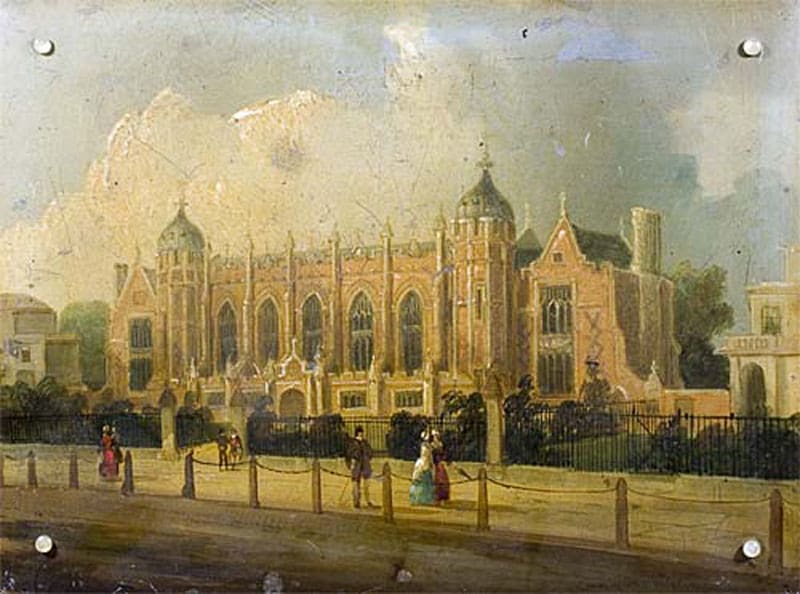
Like its former distinguished Headmaster Dr Joseph Wood, seen here, the old Leamington College building in Binswood Avenue has recently passed into history . . . as a school. Designed by the architect David Squirhill and opened in 1848 it was the first purpose-built school in Leamington. Apart from a brief period as
Leamington at War
August 8, 2014
Surprisingly, practically nothing has been written about the war years in Leamington or of local people’s wartime experiences. Some recent research into those unfortunate Leamington residents killed by wartime bombing suggests that the war years are a period in urgent need of recording. Such a project is something that almost every member of our group can contribute to in some way. Many of our members will have first‐hand experiences to share and even us wartime

Graham Jones – woodcarver – revisits Jephson Gardens
August 6, 2014
On August 2 and 3, during the Leamington Studio Arts in the Park festival, 2014, Wood carver and sculptor, Graham Jones, was seen at work in Jephson Gardens. In 2013 Graham was commissioned by Warwick District Council to create a number of wood sculptures from sections of trunk taken from an old diseased beech tree.
Carol Circuit’s Leamington Mystery
July 30, 2014
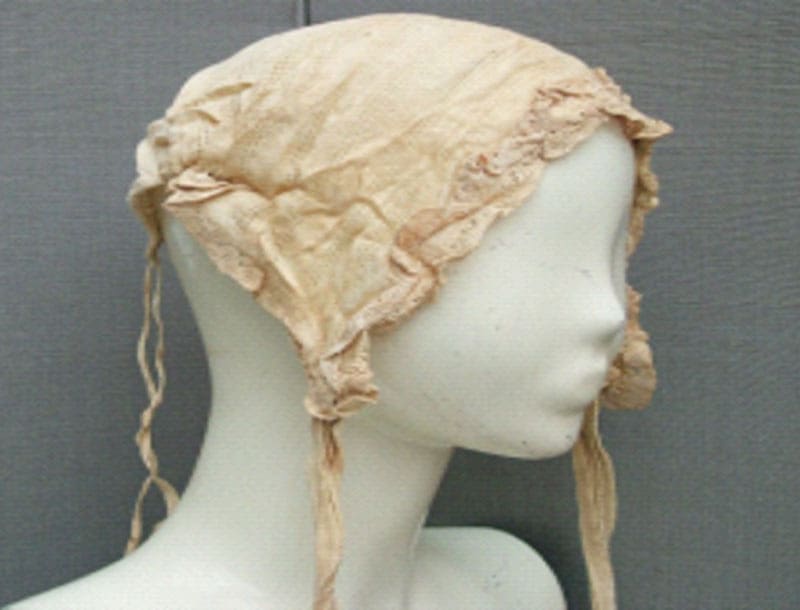
A few years ago I made a most extraordinary discovery and Leamington Spa is at the heart of this find. When I accepted a commission to reupholster a Victorian chaise longue, I expected to find the traditional stuffing of horsehair inside. Instead I found a cache of artefacts dating from theVictorian period, including a name
Cloister Crofts Camp
July 9, 2014
Local residents Graham Cooper, Michael Wills and Mr Murray all have memories of a Military Camp on the site of the present North Leamington School playing fields, between Kenilworth Road and Cloister Crofts. Access to the camp was by gates on Kenilworth Road, where until recently traces of the gateways could still be seen in the hedgerows